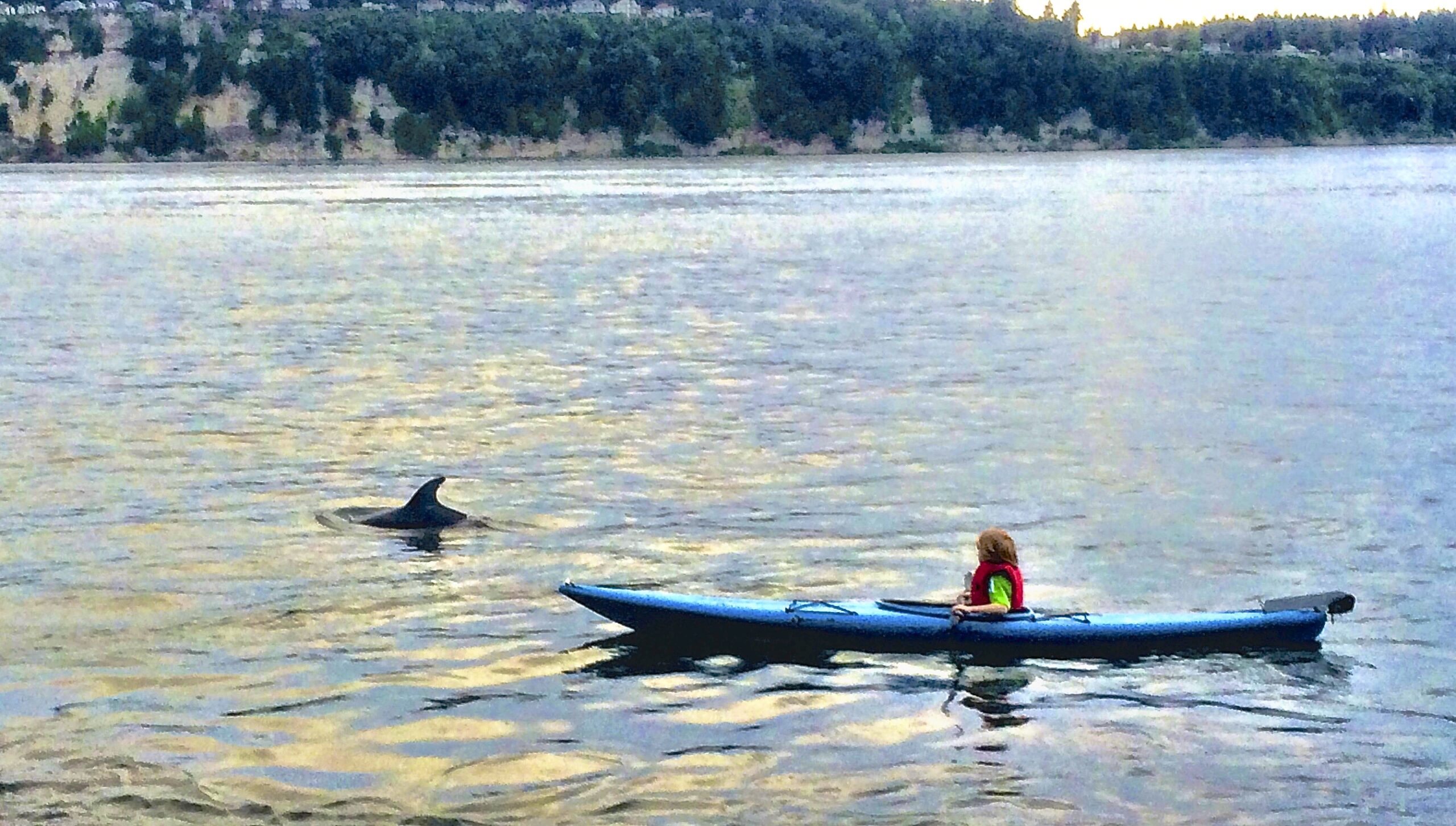
On-water navigation requires an understanding of more than simple distance and time. There are many moving parts to getting from one place to another by sea kayak and the wind and current can often be the determining factors in how you proceed. Because you might be crossing a stretch of water with the wind blowing one way and the current going another, it is common to experience a variation between your heading and your course.
Your course is the direction in which you are traveling; your heading is which way the boat is pointed. Because the currents may be sliding sideways as you cross them, you can’t necessarily point the kayak at your intended destination, and simply start paddling. You’ll need to set out at an angle to where you want to go, and constantly adjust that bearing to keep the boat moving toward its target. The water is moving and you have to adapt.
Headings change but the course remains constant.
The Ikkatsu Project is a lot like that kayak. Each new year has brought with it a new emphasis, with accompanying changes in priorities and focus areas. Looking back, it’s easy to see how different times encouraged different work and how every piece of it has had value. Through it all, from Puget Sound to southeast Alaska, from sea kayak expeditions to Middle School science classrooms, the mission, the overall course, has remained the same, with the ongoing program changes providing adjustments to the heading from time to time.
A new calendar year is a good time to make those adjustments. The Ikkatsu Project will be different in 2025 than it has been before. That’s not a bold pronouncement, just simple fact. Change is life, whether we’re talking about an individual, a corporation, or a small non-profit. The coming year is still going to feature classroom visits and beach cleanups, and much of the calendar is going to look the same, I’m sure. But even though the course is staying the same, The heading will change.
More to come…